
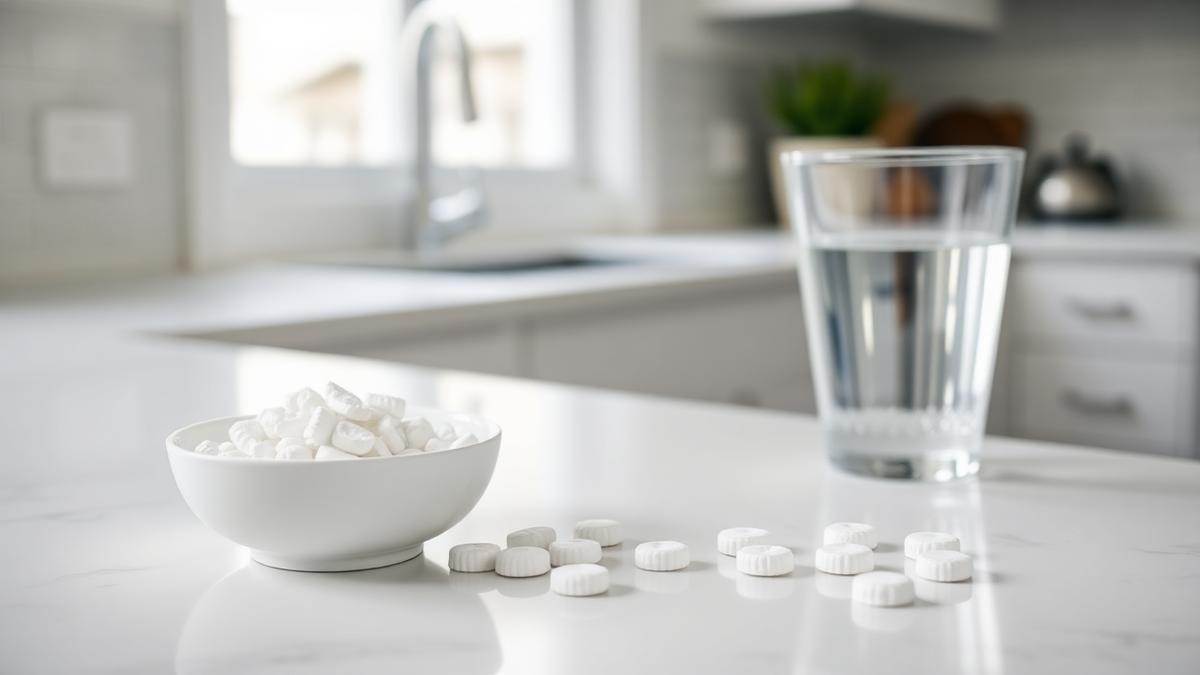
Preventive Care
How Xylitol Supports Your Oral Health
Xylitol is a natural sweetener with real oral health benefits. Here's what it does, how it fits into a routine, and what to ask your dentist.
Xylitol is a natural sugar alcohol found in small amounts in many fruits and vegetables, and it's widely used as a sugar substitute in gum, mints, and some oral care products. Unlike regular sugar, the bacteria responsible for tooth decay can't easily use xylitol as fuel, which is why it has become a common ingredient in cavity-conscious dental products.
That doesn't make xylitol a treatment or a substitute for brushing and flossing — it's a helpful addition to an already solid oral care routine. Understanding what it actually does, where it shows up, and what to watch out for will help you decide whether it's worth adding to your own routine.
If you're in Washington, DC and curious whether xylitol products make sense for you or your family, this guide covers the basics, and your dentist can help you fine-tune from there.
What Is Xylitol?
Xylitol is a sugar alcohol, not a sugar. It looks and tastes sweet, but the bacteria most responsible for cavities can't metabolize it into the acids that damage enamel the way they metabolize regular sugar. That difference is what makes it useful in preventive oral care, and why you'll increasingly see it listed on gum and toothpaste labels.
How Xylitol Supports Oral Health
Xylitol's benefits come from a few related mechanisms, all pointed at making the mouth a less friendly environment for decay-causing bacteria.
- Limits the bacteria that cause cavities — xylitol doesn't feed the bacteria responsible for tooth decay the way sugar does, so it doesn't contribute to the acid production that erodes enamel
- Encourages saliva production — chewing xylitol gum increases saliva flow, which helps neutralize acid and rinse away food particles
- Supports a healthier mouth environment — as part of a normal oral care routine, xylitol products can be a helpful addition alongside brushing and flossing, particularly for people who are prone to dry mouth or frequent snacking
Where You'll Find Xylitol
Xylitol shows up in several everyday products, and its usefulness depends partly on how much of it a product actually contains and how often you use it.
- Sugar-free gum and mints
- Some toothpaste and mouthwash formulations
- Occasional food products sweetened with xylitol instead of sugar
If you're specifically choosing a product for its oral health properties, look for one where xylitol is listed as a primary ingredient rather than an incidental one.
How Xylitol Compares to Other Sugar Substitutes
Not every sugar substitute has the same relationship with oral bacteria. Some artificial sweeteners are simply neutral — they don't feed bacteria, but they also don't have xylitol's saliva-stimulating or bacteria-limiting properties. This is part of why xylitol specifically, rather than sweeteners in general, gets singled out in oral care products. If you're comparing gum or mint options at the store, checking whether xylitol is the primary sweetener (versus a minor addition) will tell you how relevant these benefits are likely to be.
A Few Things Worth Knowing
- Xylitol is toxic to dogs, even in small amounts — keep xylitol gum, mints, and toothpaste well out of reach of pets.
- Consuming large amounts of xylitol can cause digestive discomfort in some people, such as bloating or an upset stomach.
- Xylitol is not a replacement for brushing, flossing, and regular dental checkups — it's a helpful addition to a routine, not a substitute for one.
- If you have diabetes, are pregnant or nursing, or have specific health concerns, talk to your doctor or dentist before making xylitol a regular part of your routine, especially for children.
Using Xylitol Products With Kids
Xylitol gum and other products are sometimes used with children as part of cavity prevention, but children's bodies handle sugar alcohols differently than adults, and the pet-safety concern above extends to keeping any xylitol product away from young children who might mistake it for candy. Rather than guessing at what's appropriate, ask your pediatric dentist whether a specific product makes sense for your child's age and needs.
Talk to Your Dentist
Everyone's oral health needs are different, and the right type and amount of xylitol product for you may depend on your specific situation, including any medical conditions, medications, or dietary needs. Rather than following a generic guide, ask about it at your next visit — Dr. Shukoor's team can point you toward products and habits that actually fit your mouth.
Ready to discuss it? Book an appointment at our Washington, DC office, and we'll help you build a preventive routine that makes sense for you.
Questions
Frequently asked questions
Talk it through with our team
Have a question this article did not answer? Our Washington, DC team is happy to help — call (202) 363-2810 or book online.
4444 Connecticut Ave NW #106, Washington, DC 20008