
General Dentistry
Same Day Crowns in Washington, DC
A dental crown is a custom cap that fully covers a damaged, decayed, or discolored tooth to restore its strength and appearance — scanned, designed, milled, and bonded in a single visit in our in-house lab by Dr. Kambez Shukoor.

Google Rating
4.9 · 303 reviews
Availability
Same-day consults
Payments
Financing available
Definition
What Is a Dental Crown?
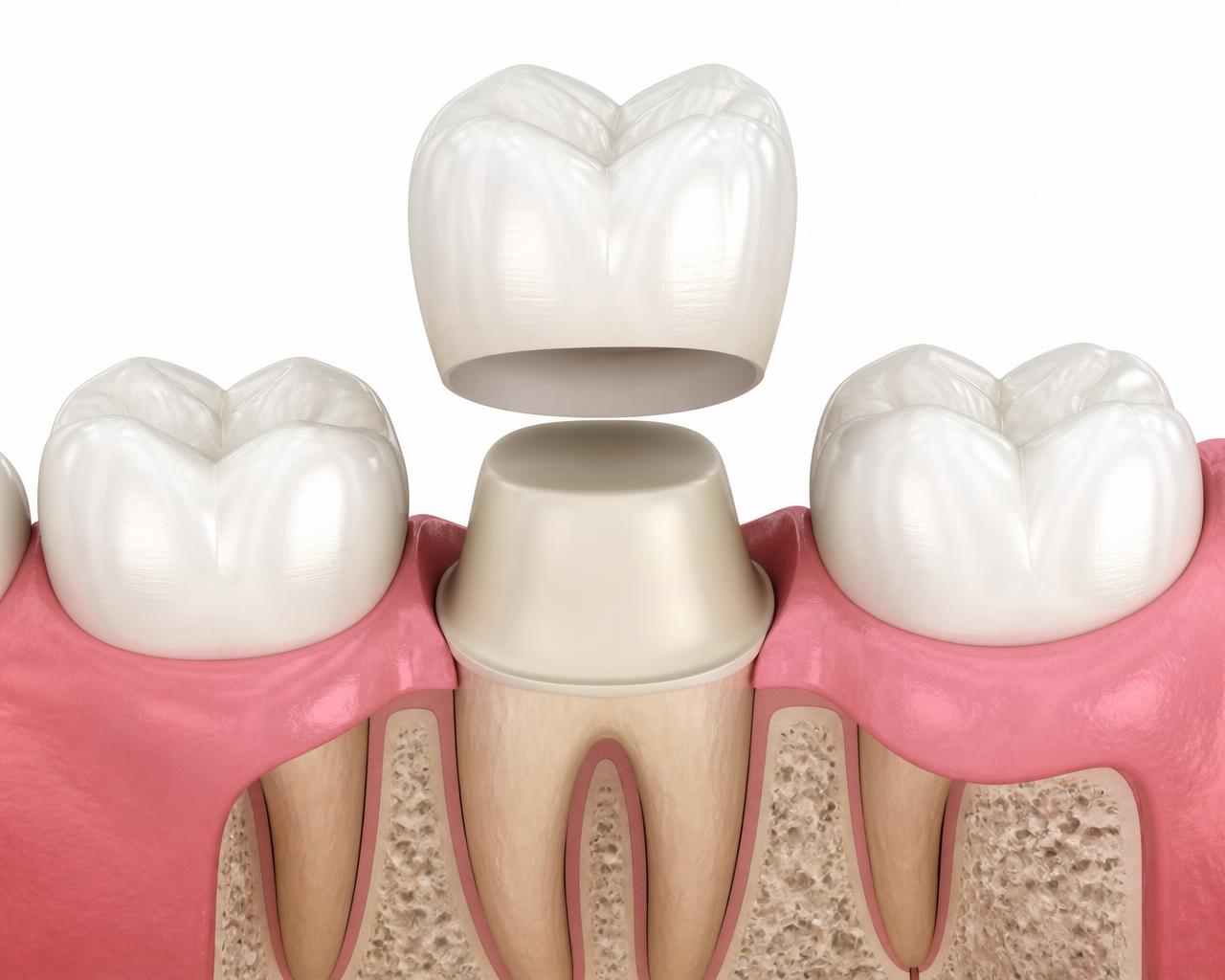
A dental crown is a custom-made cap that covers a tooth on every side, restoring its strength, shape, and appearance in one restoration. It is used when a tooth has lost too much structure to be repaired with a filling, and it becomes the tooth's new chewing surface.
The distinction from a veneer is coverage. A porcelain veneer is bonded to the front surface only and changes how a healthy tooth looks. A crown wraps the whole tooth and holds compromised structure together, which is why crowns are treated as a restorative procedure with a cosmetic result rather than a purely cosmetic one.
Crowns also do double duty as anchors. When a tooth is missing, the teeth on either side of the gap are crowned and those crowns carry the replacement tooth between them — that restoration is a dental bridge, and the crown work described on this page is how each anchor unit is made.
When a crown is the right answer
- A filling has grown so large the remaining tooth walls cannot support it
- The tooth is cracked or fractured and needs to be held together
- After root canal treatment, when the tooth is hollow and brittle
- Severe wear from grinding has shortened or flattened the tooth
- A tooth is badly misshapen or discolored beyond what whitening can lift
This page covers crowns placed over your own natural tooth. When a tooth is already gone and the crown needs a foundation, that is a different procedure — see single tooth dental implants for the implant-supported version.
At a glance
Same Day Crown
- Treatment time
- One appointment, about 2 hours
- Number of visits
- 1 — designed and milled in-house
- Anesthesia
- Local, for tooth preparation
- Longevity
- 10–15+ years with good care
- Coverage
- Full 360-degree coverage of the tooth
or call (202) 363-2810
Our Lab
Our In-House Lab: Crowns Made While You Wait
Most offices send a scan to an outside laboratory and fit you with a temporary crown for one to two weeks. We do not — the entire crown is produced in this office.
Cerec Prime Scanner
A digital scan of the prepared tooth and your bite, captured in minutes with no impression putty and no gagging.
Cerec Prime Mill
Your crown is milled from a solid ceramic block in our own lab while you stay in the chair, then stained and glazed to match your neighbouring teeth.
3D Printer
On hand for models, surgical guides, and appliances, so cases that need a printed component are not delayed by an outside lab.
The practical result: one appointment instead of two, no temporary crown to come loose on a meal, and no second round of anesthetic. Complex cases occasionally still call for a specialist laboratory, and we will tell you at the consultation if yours is one of them.
Compare
Dental Crown vs. Porcelain Veneer
Both are custom ceramic restorations made by the same lab, from similar materials. The difference is how much of the tooth they cover — and that decides which one your tooth actually needs.
Dental Crown
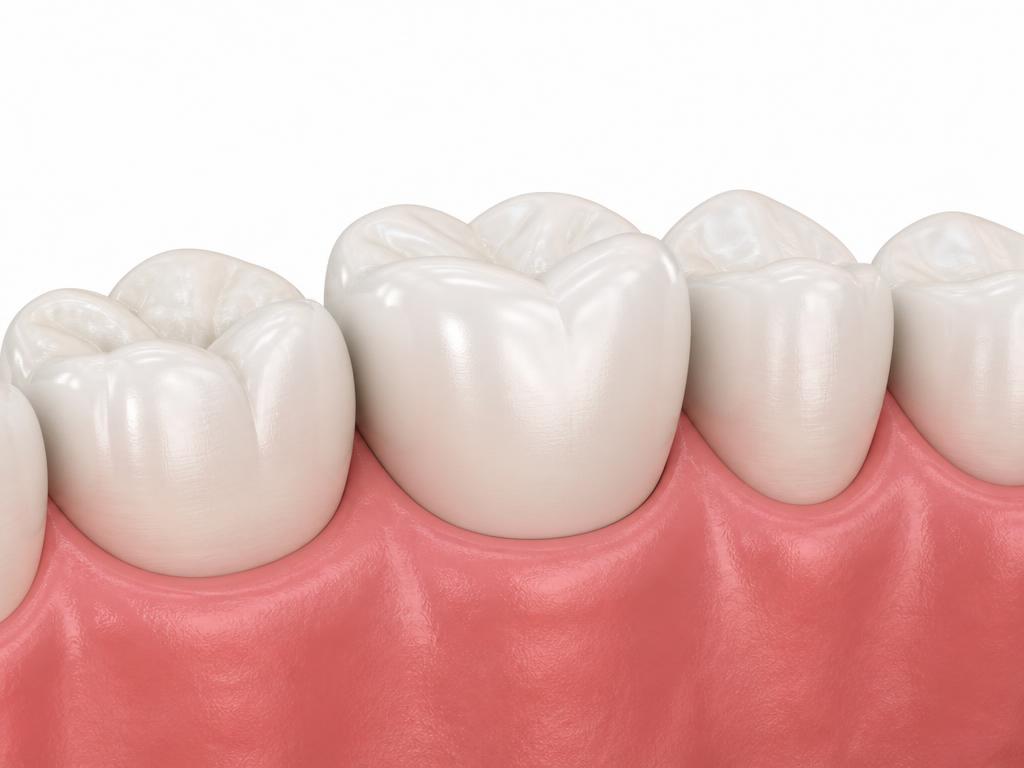
A custom cap that covers the entire tooth on all sides, restoring strength as well as appearance.
- Covers the tooth 360 degrees, holding weakened structure together
- Right answer for cracked, heavily filled, or root-canal treated teeth
- Restores chewing function, not just appearance
- Requires more tooth reduction than a veneer
- Permanent — the prepared tooth always needs coverage afterward
Porcelain Veneer
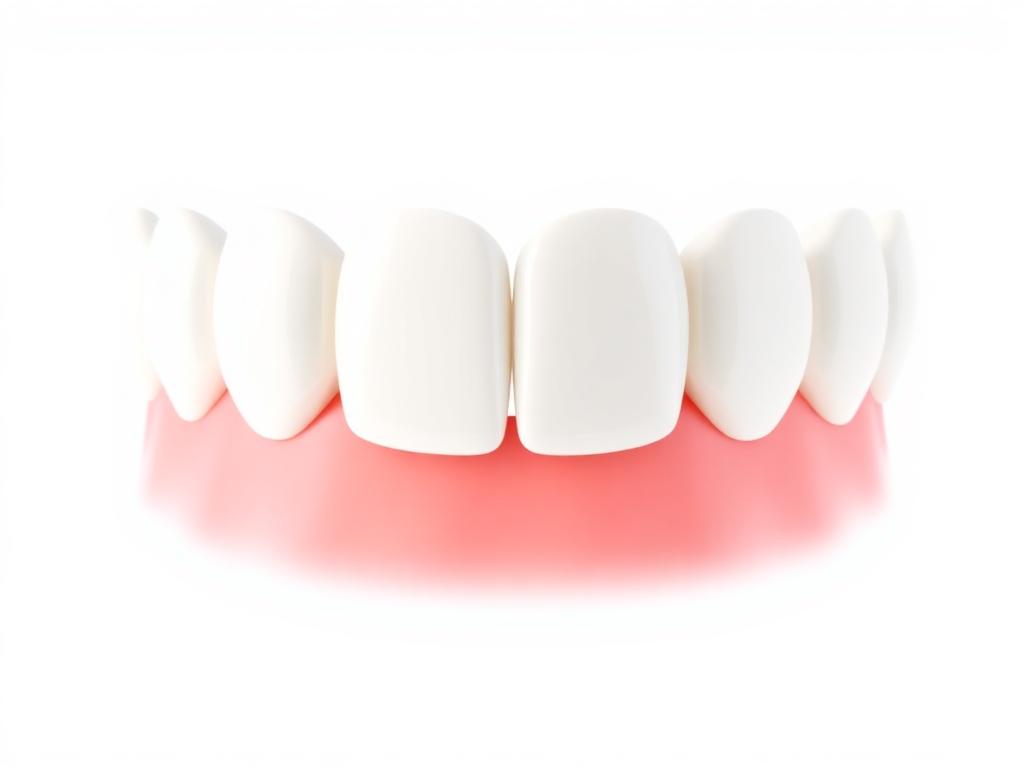
A thin shell bonded to the front surface only — see our porcelain veneers page.
- Very conservative — usually under a millimeter of enamel removed
- Ideal for cosmetic-only concerns on healthy, intact teeth
- Excellent esthetics on the teeth that show when you smile
- Adds no structural strength to a damaged tooth
- Not suitable after a root canal or with a large existing filling
The short version: if the tooth needs strength, it needs a crown. If the tooth is sound and only the appearance is the problem, a veneer preserves far more of it.
The Process
The Dental Crown Process
Two visits about one to two weeks apart is the standard path, with a temporary crown in between. Same-day options exist for some teeth — we confirm which applies at your consultation.
Consultation & Imaging
Visit 1
We examine the tooth and take X-rays to confirm how much sound structure remains, whether decay reaches the nerve, and whether a crown alone will solve it.
Tooth Preparation
Same visit
Under local anesthetic, decayed or failing material is removed and the tooth is shaped into a stable core the crown can seat over. A build-up is placed first if too little tooth remains.
Digital Impression or Scan
Same visit
A Cerec Prime Scanner captures the prepared tooth, the opposing bite, and the neighboring teeth in minutes — no impression putty — and the shade is matched to the teeth around it.
Designed & Milled In-House
Same visit, about an hour
Your crown is designed on the scan and milled in our own lab on a Cerec Prime Mill, with a 3D printer on hand for models and guides. There is no outside lab and no temporary crown — you wait in the office while it is made.
Final Crown Placement & Bonding
Same visit
The crown is tried in and checked for fit, contacts, shade, and bite, then permanently cemented or bonded. Final polishing and a bite adjustment finish the visit.
Candidacy
Are You a Candidate for a Dental Crown?
Crowns are for teeth that have lost structure. The deciding question is whether enough sound tooth remains to hold a crown, and whether something less invasive would do the same job.
What typically calls for a crown
- 1A large filling the remaining tooth walls can no longer support
- 2A cracked or fractured tooth that needs to be held together
- 3A tooth that has just had root canal treatment
- 4Severe wear from grinding, leaving short or flattened teeth
- 5A misshapen or deeply discolored tooth that whitening cannot change
When something else fits better
A crown removes real tooth structure. On a healthy, intact tooth where the only issue is color, shape, or a small chip, that trade is not worth making — a veneer, bonding, or whitening solves it while leaving the tooth largely alone.
Teeth that have just had root canal treatment almost always need a crown afterward, and teeth too damaged to save move to extraction and an implant instead.
All three alternatives below are handled in-house by Dr. Kambez Shukoor.
Root Canal Treatment
A treated tooth is hollowed out and brittle — a crown is what stops it fracturing afterward, so the two are usually planned together.
Root Canal TreatmentPorcelain Veneers
When the tooth is healthy and only the appearance bothers you, a veneer changes the look while removing far less tooth structure.
Porcelain VeneersSingle Tooth Implants
If the tooth is beyond saving, the crown goes on an implant instead — same restoration, different foundation.
Single Tooth ImplantsMaterials
Crown Material Options
The same three materials used for implant crowns are used over natural teeth. What changes is the selection logic — how much tooth remains, where the tooth sits in your bite, and how visible it is.
Zirconia
Maximum strength
Monolithic zirconia is milled from a single block of high-strength ceramic, which makes it the most fracture-resistant tooth-colored option. Modern layered zirconia is far more translucent than early generations, so it now works in the front as well as the back.
Best for
Molars, heavy bites, grinders, and anyone who has fractured a restoration before.
- Highest fracture resistance of the tooth-colored materials
- Metal-free, with no dark line at the gum
- Can be milled thinner, preserving more natural tooth
For crowns placed on an implant rather than a natural tooth, see the crown options on our single tooth dental implants page, or how crowns fit into a full smile makeover.
Recovery
Recovery After a Dental Crown
The first few days
There is no surgical recovery. Most patients eat normally the same day, once the anesthetic has fully worn off.
- Mild sensitivity to hot and cold for a few days after preparation is normal
- Gum tissue at the crown margin may be tender for 24–48 hours
- Chewing on the new crown feels slightly different while you adapt
- Call us if the bite feels high after a day or two — it is a quick adjustment
- With a temporary crown, avoid sticky and very hard foods on that side
Long-term care
- Brush twice daily and floss the crown margin — decay starts at the edge
- Keep six-month professional cleanings so the gum line around the crown stays healthy
- Avoid biting ice, pens, or fingernails — ceramic dislikes point loads
- Wear a nightguard if you grind — it is the biggest single factor in crown lifespan
| Timeframe | What to expect |
|---|---|
| Day 1 | Normal eating once numbness wears off; mild sensitivity possible |
| Days 2–7 | Sensitivity settles; temporary crown protected from sticky foods |
| Placement visit | Final crown seated, bite checked and adjusted |
| Ongoing | Flossing the margin, six-month cleanings, nightguard if you grind |
Investment
What Does a Dental Crown Cost in Washington, DC?
We do not publish a single price, because crowns are quoted per tooth and what a tooth needs before the crown varies widely. Here is exactly what moves the number.
Material choice
- Zirconia, e.max, and porcelain-fused-to-metal sit at different price points
- Front teeth often justify the more esthetic ceramic
- Lab characterization for a visible tooth adds to the fee
Prep work needed first
- A core build-up when too little sound tooth remains
- Root canal treatment before the crown, when the nerve is involved
- Gum treatment or crown lengthening in some cases
Number of crowns
- Crowns are quoted per tooth, not as a flat package
- Multiple crowns in one arch are planned and sequenced together
- Insurance often contributes when a crown is restoratively necessary
At your consultation you receive an itemized written quote covering the crown and any preparatory treatment — no surprise line items later. We explain monthly payment options on our financial information page, including CareCredit and Cherry financing.
Why Choose
DC Implant & Cosmetic Dentistry
Dr. Kambez Shukoor is a U.S. Navy veteran dentist who prepares, designs, and seats your crown himself, in one Connecticut Avenue office.
Design & Placement in One Office
Dr. Kambez Shukoor prepares the tooth, selects the shade, and seats the final crown himself, so nothing is lost between the person planning and the person placing.
Cosmetic & Restorative Training
FAGD and fellowship-level training across cosmetic and restorative dentistry, with continuing education focused on esthetic case planning.
Preview Before You Commit
Shade selection, photographs, and a temporary crown let you see the shape and color before the final restoration is cemented.
Comfort-First Care
Crown preparation is done under local anesthetic, and sedation is available for patients who are anxious in the chair.
Honest Case Planning
If a veneer or a filling would preserve more of your tooth and still solve the problem, that is what gets recommended.
Transparent Costs
Written treatment plans with per-tooth fees, insurance coordination where it applies, and financing through CareCredit and Cherry.
FAQ
Dental Crown Questions
The questions Washington, DC patients ask most often before having a crown made.
Related
Cosmetic & Restorative Services
A crown is often one part of a larger plan. These pages cover the treatments most often planned alongside it.
Porcelain Veneers
Front-surface shells for cosmetic concerns on healthy, undamaged teeth.
Porcelain VeneersRoot Canal Treatment
Saving an infected tooth — almost always finished with a crown.
Root Canal TreatmentTeeth Whitening
Whiten your natural teeth first, so the new crown is matched to the shade you want to keep.
Teeth WhiteningSingle Tooth Implants
When a tooth cannot be saved, a crown on an implant replaces it entirely.
Single Tooth Implants