
Dental Education
Oral Hygiene
How to brush, floss, and rinse effectively at home — the daily routine that decides how much dental work you need later.

Google Rating
4.9 · 303 reviews
Availability
Same-day consults
Payments
Financing available
Brushing
How to Brush Your Teeth Properly
Nearly everyone brushes. Far fewer brush long enough, gently enough, or in the right places.
To remove cavity-causing bacteria effectively, brush twice a day for at least two minutes each time, with either a manual or an electric toothbrush. Many electric brushes have built-in timers; with a manual brush, keep a timer in the bathroom or play a song and keep brushing until it ends.
Proper Tooth Brushing Technique
- Hold the brush at a 45-degree angle to your teeth and brush in a small circular or elliptical motion.
- Press just firmly enough to reach between the teeth. Brushing too hard, or using a sawing motion, causes gum recession and wear.
- Start at the gumline and work down onto the teeth, covering a couple of teeth at a time until you have brushed the whole mouth.
- Brush the outside and inside surfaces, the chewing surfaces, between the teeth, and your tongue.
How Often Should I Replace My Toothbrush?
Worn, frayed bristles clean poorly. Replace your toothbrush — or your electric brush head — every three to four months, and after any illness.
Supplies
Choosing a Toothbrush and Toothpaste
What Kind of Toothbrush Should I Use?
Choose a long, wide handle you can grip firmly and a head small enough to reach every area of your mouth. Always use soft bristles — hard bristles damage enamel and gum tissue.
What Kind of Toothpaste Should I Use?
Match the toothpaste to your needs: some are formulated for sensitivity, some for plaque and tartar control, some for surface stain. Whatever you choose, make sure it contains fluoride and carries the American Dental Association Seal of Acceptance, which means its safety and effectiveness have been evaluated. A pea-sized amount is enough to cover every tooth when your technique is correct. If you are unsure which formula fits you, ask us at your next dental exam.
Between
Flossing and Mouth Rinse: The Steps Most People Skip
Is Flossing as Important as Brushing?
Yes. A brush cannot reach between the teeth, which is exactly where decay and gum disease most often start. Floss at least once a day, using an up-and-down motion and hugging the side of each tooth below the gumline.
Should I Use a Mouth Rinse?
Mouthwash is not a substitute for brushing or flossing, but an antibacterial rinse used alongside them reduces plaque and gingivitis more than brushing alone, and helps with breath.
In Office
When Home Care Needs Professional Support
Even an excellent routine leaves hardened tartar that only an instrument can remove. Twice-yearly professional cleanings handle that, and exams and X-rays catch decay between teeth while a small filling is still the answer.
- Bleeding when you brush or floss — a sign of inflammation, not a reason to stop cleaning the area
- Persistent bad breath despite good home care
- Sensitivity to cold or sweets that lingers
- Visible tartar buildup along the gumline
Our Team
Building a Home Routine That Actually Works
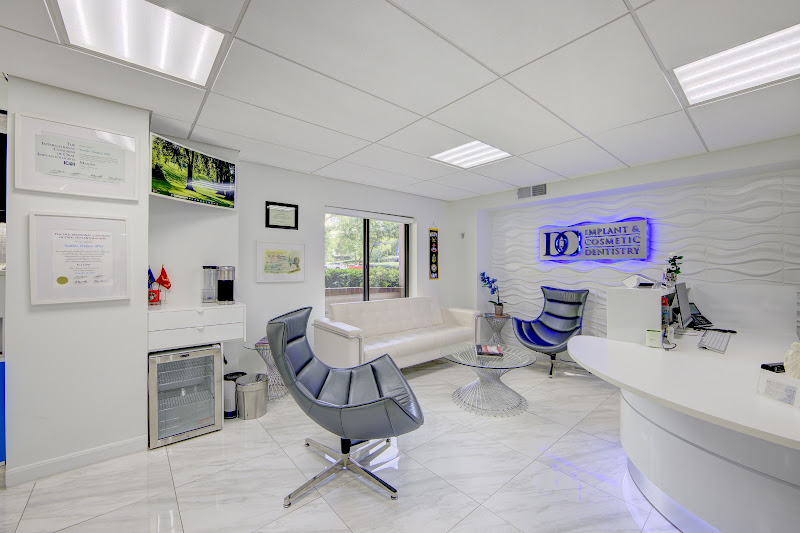
At DC Implant & Cosmetic Dentistry, our hygienists show you what your own mouth needs — where you are missing, which tools suit your hands and your gum condition, and how to make the routine short enough that you keep doing it.
Call us at (202) 363-2810 or contact our team to schedule your next cleaning and exam.
Why Choose
DC Implant & Cosmetic Dentistry
Dr. Kambez Shukoor is a U.S. Navy veteran dentist who plans and performs every case himself, in one Connecticut Avenue office.
One Dentist, Start to Finish
Dr. Kambez Shukoor plans and performs your treatment himself — the same person who explains the problem is the one who fixes it.
Explained Before It's Treated
Photographs, scans, and plain-English explanations, so you understand what is happening in your mouth before you agree to anything.
Prevention First
Screening, early detection, and routine hygiene care — treating a small problem early beats rebuilding a tooth later.
Comfort-First Care
Gentle technique, unhurried appointments, and full sedation options for patients who find dental visits stressful.
Honest Recommendations
If watching a tooth is the right call, we say so. You get the conservative option alongside the definitive one, with the trade-offs of each.
Transparent Costs
Itemized written treatment plans, out-of-network benefits verified for you, and CareCredit and Cherry financing explained on our financial information page.
Visit Us
Find Us on Connecticut Avenue
Hastings Condominiums, 4444 Connecticut Ave NW #106, Washington, DC 20008 — Metro-accessible on the Red Line, with parking in the building garage.
Office
DC Implant & Cosmetic DentistryHastings Condominiums
4444 Connecticut Ave NW #106, Washington, DC 20008
Hours
- Monday
- 9:00 AM – 5:00 PM
- Tuesday
- 9:00 AM – 5:00 PM
- Wednesday
- 9:00 AM – 5:00 PM
- Thursday
- 9:00 AM – 5:00 PM
- Friday
- 9:00 AM – 5:00 PM
- Saturday
- 9:00 AM – 2:00 PM
- Sunday
- Closed
Ready for your next cleaning?
Book a hygiene visit with our Washington, DC team and leave with a home-care plan built around your own mouth.
4444 Connecticut Ave NW #106, Washington, DC 20008